in today's digital era, server stability and performance are crucial to enterprise operations. as a world-renowned automobile manufacturer, germany's volkswagen audi invests a lot of resources in its it infrastructure to ensure that its servers can run efficiently and securely. this article will explore the best practices and techniques for german volkswagen audi server maintenance to help companies improve the reliability of their it systems.
regular server health checks are an important part of ensuring system stability. enterprises should develop a comprehensive maintenance plan to regularly check the status of hardware, software and networks. by using monitoring tools, potential problems such as hard drive failure, insufficient memory, etc. can be discovered in a timely manner to avoid losses caused by system crashes. in addition, the operating system and applications are regularly updated to patch security holes and ensure system security.
no matter how stable the server is, the risk of data loss is always present. therefore, it is crucial to establish a sound backup and disaster recovery strategy. businesses should back up data regularly and store backups off-site to prevent data loss due to natural disasters or system failures. at the same time, the recovery process is regularly tested to ensure that normal operations can be quickly restored in the event of an unexpected event.

optimizing server performance is key to improving user experience. enterprises can analyze server load, identify performance bottlenecks and make adjustments accordingly. for example, properly configure the server's cpu, memory, and storage resources to ensure that it can handle high concurrent requests. in addition, load balancing technology is used to distribute traffic to multiple servers to improve overall performance and availability.
server security is an aspect that cannot be ignored in maintenance work. enterprises should implement a multi-layered security strategy, including firewalls, intrusion detection systems and regular security audits. in addition, promptly updating security patches and using measures such as strong passwords and two-factor authentication can effectively reduce security risks. at the same time, employee training is also an important part to improve employees' safety awareness and prevent safety incidents caused by human errors.
the configuration of the network environment directly affects the access speed and stability of the server. enterprises should ensure the normal operation of network equipment and reasonably allocate bandwidth according to business needs. in addition, using a cdn (content delivery network) can speed up user access and improve website response speed. regularly monitor network traffic, identify abnormalities, and adjust network policies in a timely manner to ensure efficient operation of the server.
choosing appropriate server hardware is the basis of server maintenance. enterprises should choose appropriate cpu, memory and storage devices based on actual needs. at the same time, the performance of hardware is regularly evaluated and timely replacement or upgrade is performed to adapt to changing business needs. in addition, choosing a high-reliability hardware brand can reduce the probability of failure and improve the stability of the server.
a professional operation and maintenance team is the key to successful server maintenance. enterprises should pay attention to the training of operation and maintenance personnel, organize regular technical exchanges and learning, and improve the professional skills of the team. at the same time, establish a good communication mechanism to ensure close cooperation between the operation and maintenance team and other departments, promptly solve problems encountered during server maintenance, and improve overall operation and maintenance efficiency.
monitoring and log management are important parts of server maintenance. enterprises should deploy comprehensive monitoring systems to monitor server performance, traffic and security in real time. at the same time, logs are analyzed regularly to identify potential security threats and performance issues. this not only helps to detect problems in time, but also provides data support for subsequent optimization and improvement.
to sum up, the best practices and techniques for german volkswagen audi server maintenance mainly include regular health checks, backup and disaster recovery, performance optimization, security policy implementation, network environment configuration, hardware selection, professional team training, and monitoring and log management. by properly applying these practices, enterprises can effectively improve the stability and performance of servers and ensure continued business operations. it is recommended that during the maintenance process, enterprises should flexibly adjust their strategies based on their own actual conditions and continuously optimize the maintenance process to adapt to changing market demands.
- Latest articles
- Common Troubleshooting Steps And Rapid Recovery Solutions For Taiwan Telecom CN2 Broadband
- An Automated Operations And Maintenance Solution Covering Everything From Development To Monitoring How To Build A Site On Hong Kong Cloud Servers
- From A Business Perspective, Is Vietnam's VPS Reliable? Considerations Regarding Compliance And Data Security
- Free Server Korea Security Protection Policy And Backup Implementation Guide
- Cost And Operation Management Recommendations For Enterprises Deploying Korean CN2 Site Cluster Cloud Servers
- Basic Information On Taiwan Proxy Servers, Common Terminology Explanations, And Purchase Precautions
- How To Choose A Cloud Server In Thailand: From Network Latency To After-sales Service, Comprehensive Aspects
- Recommended Recommendations For Operators To Improve Thailand's High-Defense VPS Protection And Bandwidth Stability By Comparison
- Optimized Storage Costs For Hong Kong Hosted Servers, Hard Disk Servers, Layered Storage, And Cold Archiving Solutions
- Are Tencent Cloud Korean Servers Native? Recommendations For Local Service Provider Integration And Latency Optimization
- Popular tags
-
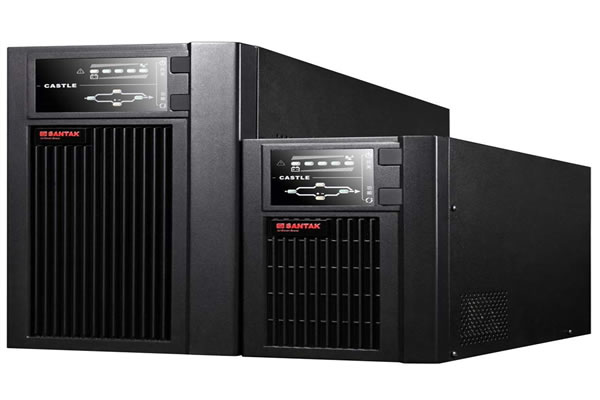
Is There A Difference In Quality Between Domestic And German Servers In Terms Of Compatibility And After-sales Service?
Compare domestic and German servers from the perspectives of compatibility and after-sales service. Includes differences and recommendations for choices in areas such as the hardware ecosystem, operating systems and drivers, firmware and third-party integration, warranty, and localization services. -

German Server German Furry Social Media Communication Strategy And Seo Optimization Plan
german servers for the german market and social media communication and seo optimization plans for the german furry project, covering practical strategies and implementation suggestions for technology, content, localization and data monitoring. -

Cost Structure And Price/performance Analysis Of German Server Hosting
this article analyzes the cost structure and cost-effectiveness of server hosting in germany, and provides professional advice for you to choose a suitable server.